

When installing or replacing your home’s roof, you must consider the region’s extreme climate and environmental conditions. Your roof should not only offer optimal protection but also be durable and efficient. Here’s a comprehensive guide to help you choose the best roofing materials in Chicago.
Chicago Weather
Chicago experiences all four seasons in full force. Plus, with its location in the continental interior and proximity to Lake Michigan, the city experiences dramatic weather shifts that place demands on the roofing systems. Notable challenges include:
Hail
The state sees frequent hailstorms in spring and summer. While smaller hailstones are common, hailstones can sometimes reach diameters of 1.75 inches or more. Your roofing options in Illinois should not only be able to withstand repeated hail impacts.
High Winds
Chicago’s unique geography makes it a battleground for polar (cold) air masses from the north and tropical (warm) air masses from the south. The result is frequent storms and strong wind gusts that can easily lift roofing materials. Wind-driven rain further adds to the problem by forcing water into cracks and gaps that would otherwise remain sealed. Your roof must therefore be rated highly for high wind resistance and incorporate exceptional waterproofing and fastening techniques.
Snow & Ice
Snow and ice are equally demanding. The winters are long and harsh, often resulting in heavy snowfall. Snow accumulation on a roof places significant weight on support structures. This is why you may see some roofs sagging or even collapsing.
Another major concern is ice damming. This occurs when heat escaping from a poorly insulated or ventilated attic warms the roof center, causing snow to melt. The meltwater then flows down toward the colder eaves (roof edge), which are unheated, and refreezes. The result is a ridge of ice that acts like a dam, trapping water behind it. As water pools, it can seep under shingles and penetrate the roof deck, causing leaks, water damage, and even mold growth inside the home. Ice dams are particularly insidious because they often go unnoticed until significant damage has already occurred.
Heat & Sun
Chicago heat waves can push summer temperatures into the triple digits. The days can also be as long as 15 hours, especially during the summer solstice. These high temperatures and prolonged exposure to ultraviolet radiation from the sun can accelerate the breakdown of roofing materials.
UV rays erode protective granules on asphalt shingles, bleach roof surfaces, dry out wood shakes, and cause metal components to expand and contract. Over time, this cycle of weakening makes the roof more susceptible to leaks, wind damage, and premature aging.
Roofing Solutions
Your roof should withstand the extreme conditions of Chicago’s four seasons. Your best options include:
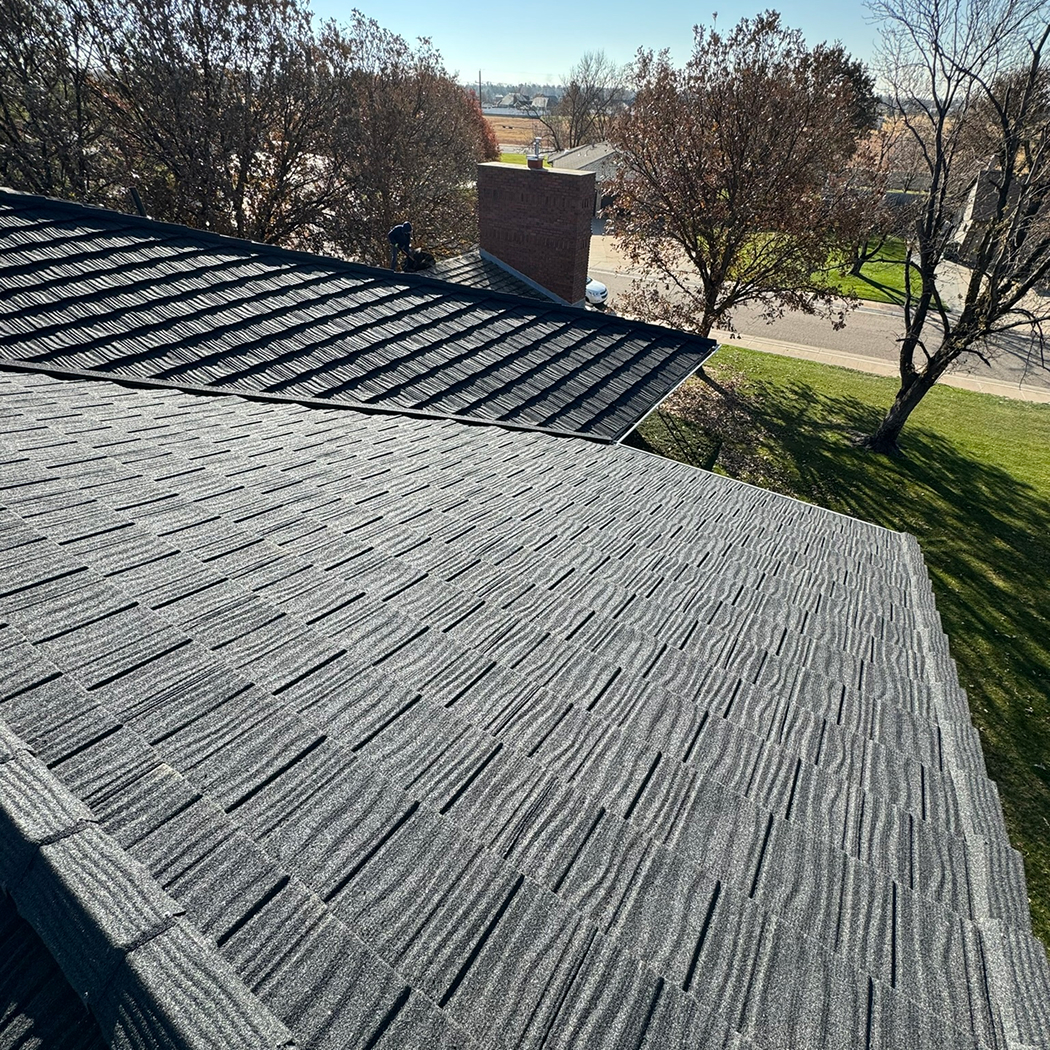
Asphalt Shingle Roofing
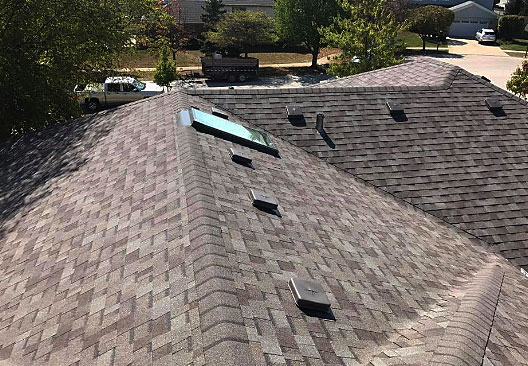
Asphalt shingles are naturally strong and a reliable roofing solution. However, in Chicago, look specifically for Class 4 Impact-Rated (IR) asphalt shingles.
Class 4 IR-rated shingles are manufactured with special polymers that give them rubberized characteristics. Their materials also adhere more strongly to one another and to the roof deck. The rubberized construction allows them to effectively absorb and disperse hail impact energy, preventing cracking or breaking. Meanwhile, their enhanced adhesion prevents them from being lifted or torn away during high-wind events.
In addition, Class 4 shingles are designed to retain their protective granules longer. This means they can withstand the high heat and UV radiation, resist moisture-related deterioration in humid conditions, and prevent algae or mold growth.
Cedar Shake Roofing
Cedar shake is a premium, natural-wood roofing option that offers distinctive aesthetic appeal. It also provides excellent insulation, helping Chicago homes stay warmer in winter and cooler in summer.
However, cedar shake requires careful consideration. While it is durable and can resist wind damage when properly installed, it is more vulnerable to moisture-related issues. The humid summer and frequent Chicago storms can accelerate rot, warping, and mold growth if the shakes are not treated and maintained regularly.
On the positive side, cedar shake ages gracefully, developing a natural patina over time that most people find very attractive. With routine, active care, it can last 30 years or more.
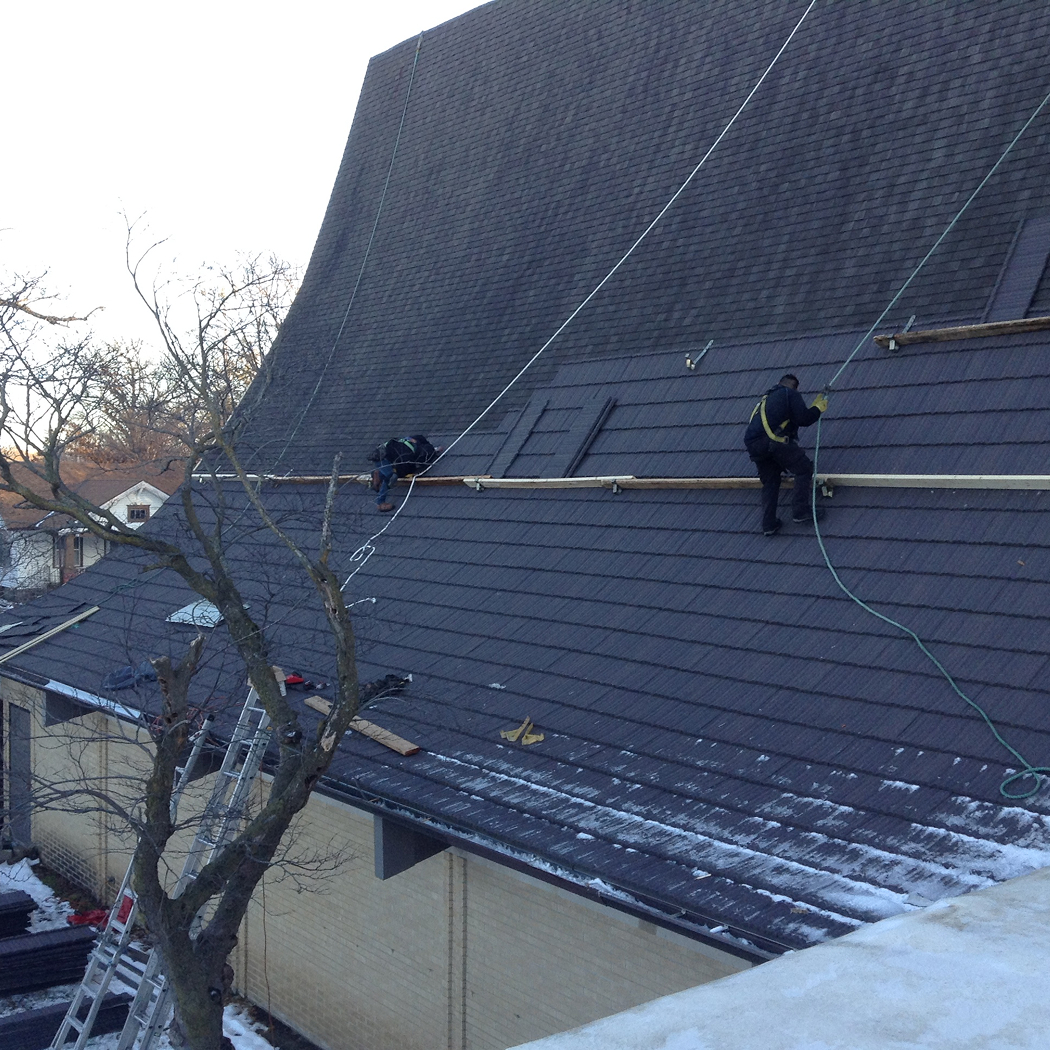
Metal Roofing
There are various types of metal roofing available. The most popular one is steel roofing. Steel is known for its strength and durability, often lasting for 30 to 50 years.
Aluminum is softer and lighter than steel, but it is a good option for coastal areas. It has natural resistance to saltwater corrosion.
Copper roofing is the premium end of the spectrum. They are known for their striking appearance and longevity. They can last 100 years if well-maintained.
For the Chicago climate and environment, your best options are steel galvanized with zinc or copper roofing. Galvanized steel roofs excel in cold climates, shedding snow easily and preventing ice dams and leaks. They can withstand high winds and hail and are corrosion-resistant.
Copper roofs, on the other hand, combine beauty and performance. They are highly resistant to moisture, wind, and temperature fluctuations. Moreover, their natural patina develops into a protective layer that enhances durability over time.
Slate Roofing
Slate roofing is another premium option with unmatched durability and timeless elegance. When properly installed and maintained, they can last for 75 to 100 years.
Slate roofing is made from natural stone, carefully cut into thin, uniform tiles. Its dense composition makes it highly resistant to hail, snow, and ice, while its weight provides stability against strong winds. Unlike other materials, slate doesn’t warp, fade, or deteriorate under prolonged exposure to the sun or heat.
Slate is also quite beautiful. Its natural variation in color and texture creates a timeless look that complements upscale and traditional homes.
Important Considerations for Your New Roof
Regardless of the type of roofing materials you want to install in Chicago, the following factors play an important role:
Budget
Some roofing materials are generally more expensive. For instance, slate and copper come with significantly higher upfront costs. Also, Class 4 IR shingles cost more than normal shingles. However, for optimal protection and durability, especially in Chicago, the investment is worth it.
Maintenance Requirements
Slate and metal roofs demand minimal upkeep when properly installed, often requiring only occasional inspections to ensure fasteners and protective coatings remain intact. Cedar shake, on the other hand, requires regular treatment to resist moisture and prevent rot.
Class 4 IR asphalt shingles are also reliable and durable, but they are not maintenance-free. You must maintain routine care to protect them from UV damage and ensure the granules remain intact. Periodic inspections are recommended to check for cracked or missing shingles, especially after hailstorms or high-wind events.
Structural Snow Load
In Chicago, where winters bring heavy snowfall, it is critical to ensure your entire roofing system is designed to handle the additional weight. A minimum snow load rating of 25 pounds per square foot (psf) is recommended to prevent sagging, structural stress, or collapse under prolonged accumulation.
Contact ASI Construction for More Information
ASI Construction is a certified roofing company in Burr Ridge with an A+ rating from the Better Business Bureau. Our roofers have over 30 years of industry experience and specialize in durable, weather-resistant roofing solutions tailored to Chicago’s demanding climate. Reach out to us for industry-leading materials and expert roof installation services.
Call ASI Construction to request roofing installation in Chicago.